
February 4, 2026
Agency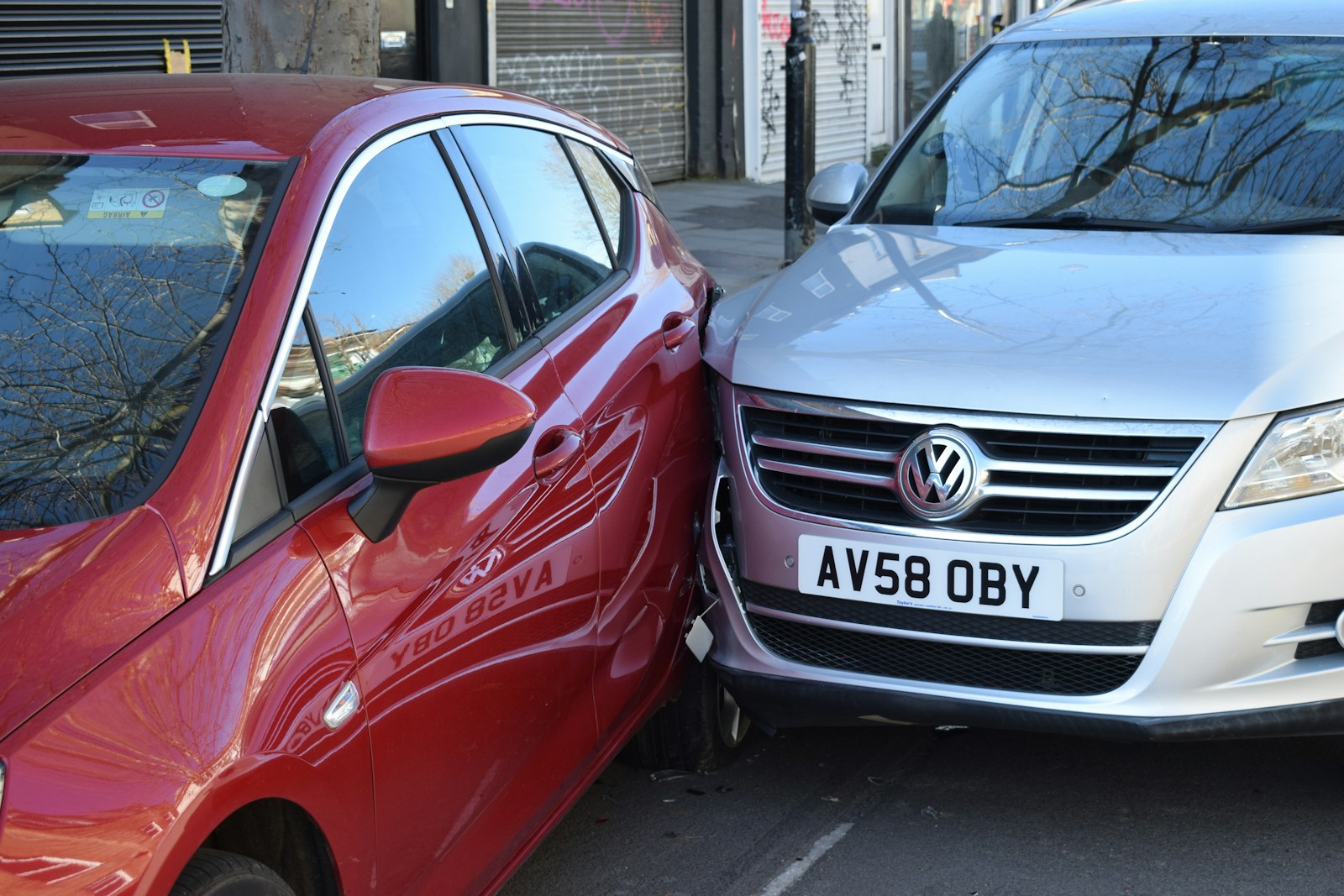
The Difference Between Liability, Collision and Comprehensive Coverage
Shopping for auto insurance can feel confusing, especially when deciding which coverage you need. Three key parts of a standard policy are liability, collision and comprehensive coverage. Knowing how they differ may help you choose options that can fit your vehicle, budget and comfort level with risk.
What Is Liability Coverage?
Liability coverage is required in many states and may help if you are legally responsible for an accident that causes:
- Injuries to other people
- Damage to someone else’s property
It does not cover repairs to your own car or your medical bills, and many drivers choose limits higher than the state minimum to handle larger claims.
What Is Collision Coverage?
Collision coverage may apply to damage to your car from:
- Hitting another vehicle
- Striking a stationary object
- Overturning or rolling over
It may pay for repairs or, if totaled, for your car’s current market value minus your deductible. Collision coverage is often optional, but it is usually required if you finance or lease your vehicle.
What Is Comprehensive Coverage?
Comprehensive coverage may help when your car is damaged by:
- Theft or vandalism
- Fire
- Hail, wind, falling objects or certain other weather events (including floods)
- Hitting an animal
Similar to collision coverage, it may also pay for repairs or the car’s market value minus your deductible if the car is totaled, and is frequently required on financed or leased vehicles.
Get Help Choosing the Right Coverage
T1 Insurance LLP can help you find coverage that fits your needs. Contact us to request a free quote or to learn more.
This blog is intended for informational and educational use only. It is not exhaustive and should not be construed as legal advice. Please contact your insurance professional for further information.
Categories: Auto Insurance, Blog